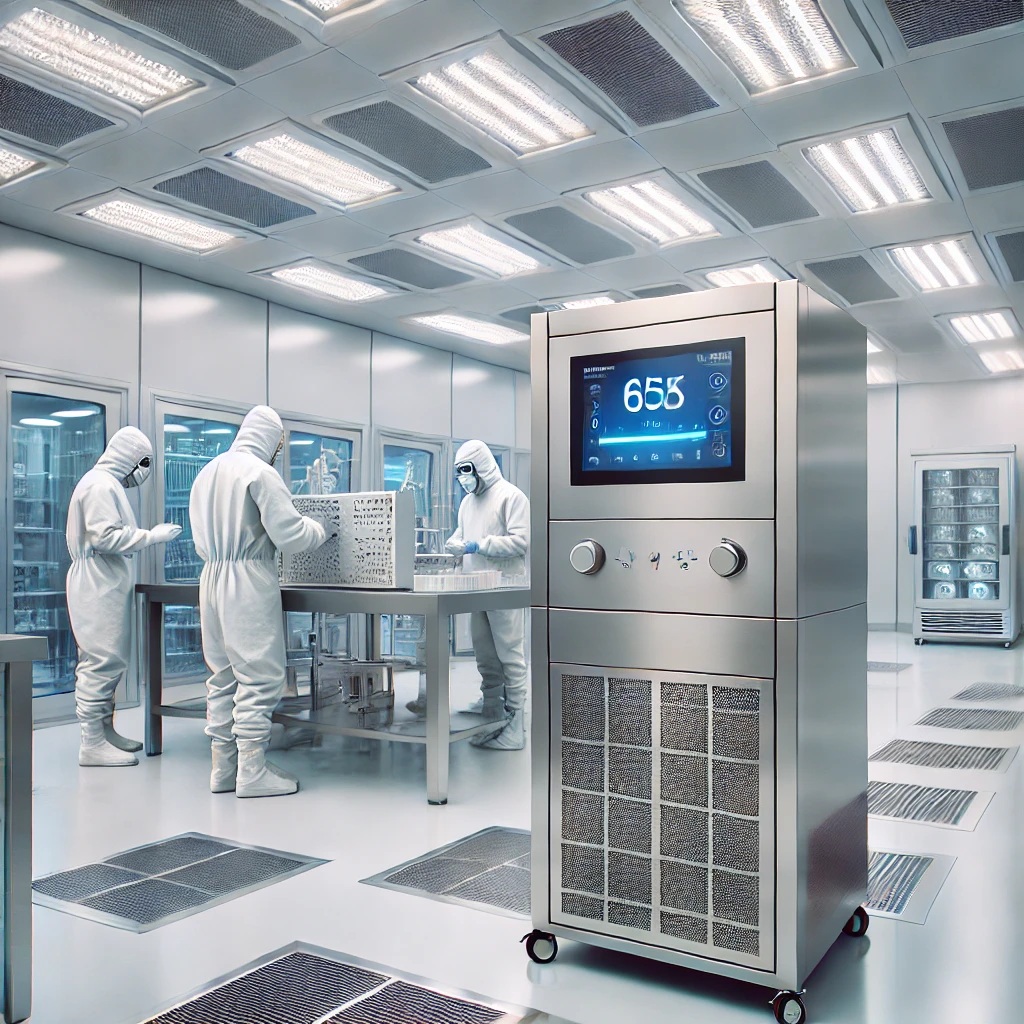
Cleanrooms Dehumidifiers are highly controlled environments designed to maintain minimal levels of contaminants such as dust, airborne microbes, and chemical vapors. These environments are essential in industries such as pharmaceuticals, electronics manufacturing, biotechnology, and aerospace. One critical aspect of cleanroom maintenance is controlling humidity, which can impact product quality, equipment functionality, and regulatory compliance. Cleanroom dehumidifiers play a vital role in achieving the required humidity levels, ensuring the integrity and efficiency of cleanroom operations.
The Importance of Humidity Control in Cleanrooms
Maintaining the right humidity level in a cleanroom is crucial for several reasons:
- Product Integrity: Excess moisture can lead to condensation, which may damage sensitive products such as microchips, pharmaceuticals, and optical instruments.
- Static Electricity Prevention: Low humidity levels can cause electrostatic discharge (ESD), which is particularly problematic in semiconductor and electronics manufacturing.
- Microbial Growth Control: High humidity levels encourage microbial growth, which can compromise sterile environments used in pharmaceutical production and medical device manufacturing.
- Regulatory Compliance: Many industries have stringent humidity control requirements, and failure to meet them can result in product recalls, safety hazards, and regulatory violations.
- Equipment Longevity: Consistent humidity control helps prevent corrosion, oxidation, and malfunctioning of sensitive laboratory and manufacturing equipment.
How Cleanroom Dehumidifiers Work
Cleanroom dehumidifiers operate by removing excess moisture from the air, maintaining a stable and controlled humidity level. These systems use various technologies to achieve dehumidification, including:
1. Refrigeration-Based Dehumidifiers
These dehumidifiers use a cooling coil to condense moisture from the air. The process involves:
- Drawing in warm, humid air.
- Passing it over a refrigerated coil where moisture condenses.
- Collecting and draining the moisture while releasing dry air back into the cleanroom.
2. Desiccant Dehumidifiers
Desiccant-based systems use moisture-absorbing materials like silica gel or lithium chloride to remove humidity. The process involves:
- Air passing through a desiccant wheel that absorbs moisture.
- The desiccant is then regenerated by heating, expelling the collected moisture outside.
- This method is highly effective in low-temperature and low-humidity applications.
3. Dual Technology Dehumidifiers
Some cleanrooms require ultra-precise humidity control, which is achieved using a combination of refrigeration and desiccant technologies. This hybrid approach provides optimal performance across varying environmental conditions.
Key Features of Cleanroom Dehumidifiers
When selecting a dehumidifier for a cleanroom, several essential features should be considered:
- HEPA and ULPA Filters: To prevent contamination, cleanroom dehumidifiers must include High-Efficiency Particulate Air (HEPA) or Ultra-Low Penetration Air (ULPA) filters that capture airborne particles.
- Stainless Steel Construction: To prevent rust and contamination, most cleanroom dehumidifiers use corrosion-resistant stainless steel.
- Sealed Design: Proper sealing prevents unfiltered air from entering the cleanroom.
- Precise Humidity Control: Advanced sensors and automation allow real-time monitoring and adjustments.
- Energy Efficiency: High-efficiency models help reduce energy consumption while maintaining optimal humidity levels.
- Low Noise Operation: Many cleanroom dehumidifiers are designed to operate with minimal noise to maintain a comfortable work environment.
Applications of Cleanroom Dehumidifiers
Cleanroom dehumidifiers are used in various industries where humidity control is critical:
- Pharmaceutical Manufacturing: Ensuring product stability and preventing microbial growth in drug production.
- Semiconductor and Electronics: Preventing static discharge and oxidation of sensitive components.
- Aerospace and Defense: Maintaining strict environmental conditions for precision engineering.
- Biotechnology and Research Laboratories: Protecting research samples and maintaining controlled environments.
- Food Processing: Preventing mold growth and ensuring food safety in packaging facilities.
Choosing the Right Cleanroom Dehumidifier
Selecting the best dehumidifier for a cleanroom depends on several factors:
- Required Humidity Levels: Different industries have specific humidity range requirements.
- Room Size and Airflow: The capacity of the dehumidifier must match the cleanroom dimensions and air circulation rate.
- Environmental Conditions: Temperature, air pressure, and ventilation influence dehumidifier performance.
- Energy Consumption: Choosing an energy-efficient model reduces operational costs.
- Maintenance Requirements: Low-maintenance units help reduce downtime and operational disruptions.
Installation and Maintenance Best Practices
To ensure the efficiency of a cleanroom dehumidifier, proper installation and maintenance are essential:
Installation Guidelines
- Strategic Placement: Install dehumidifiers in locations that maximize airflow efficiency.
- Sealed Ducting: Ensure all duct connections are properly sealed to prevent contamination.
- Electrical Safety: Follow manufacturer guidelines to avoid electrical hazards.
- Integration with HVAC Systems: Coordinate with HVAC units for seamless humidity control.
Maintenance Tips
- Regular Filter Replacement: HEPA and ULPA filters should be checked and replaced periodically.
- Coil and Desiccant Inspection: Clean refrigeration coils and check desiccant integrity to ensure optimal performance.
- Sensor Calibration: Regularly calibrate humidity sensors for accurate readings.
- Drainage System Checks: Ensure the drainage system is clear to prevent water buildup.
- Professional Servicing: Schedule routine inspections and servicing by trained technicians.
Conclusion
Cleanroom dehumidifiers are indispensable in maintaining controlled environments across various industries. By regulating humidity levels, they help protect products, equipment, and personnel from the risks associated with excess moisture or dryness. Choosing the right dehumidification system requires careful consideration of factors like technology type, efficiency, and maintenance needs. Investing in high-quality cleanroom dehumidifiers ensures compliance with industry standards, enhances productivity, and upholds the integrity of sensitive operations.
