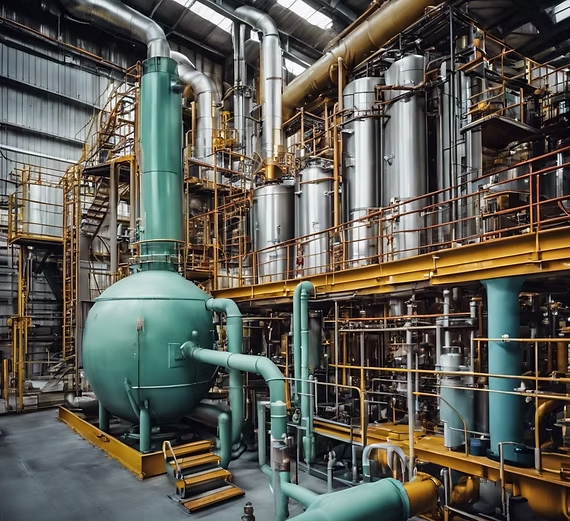
In industrial dehumidifers and commercial settings, managing humidity levels is essential to ensure the safety, efficiency, and longevity of equipment, products, and processes. Industrial desiccant dehumidifiers are among the most effective tools for achieving precise humidity control. This article explores everything you need to know about industrial desiccant dehumidifiers, including their types, features, applications, top brands, and maintenance tips.
Types of Industrial Desiccant Dehumidifiers
Table of Contents
- Industrial Desiccant Dehumidifier These heavy-duty units are designed to handle large-scale industrial applications. They are ideal for environments requiring low humidity levels, such as manufacturing plants, warehouses, and food storage facilities.
- Portable Desiccant Dehumidifier Portable units are compact and easy to move, making them suitable for temporary setups or smaller spaces. Despite their size, they offer powerful dehumidification capabilities.
- Commercial Desiccant Dehumidifier Designed for commercial spaces like offices, retail stores, and gyms, these dehumidifiers provide efficient humidity control while blending seamlessly with the environment.
- High-Capacity Desiccant Dehumidifier High-capacity units are engineered for environments with extreme humidity challenges. They can handle vast spaces and maintain consistent humidity levels efficiently.
Features of Desiccant Dehumidifiers
- Energy-Efficient Desiccant Dehumidifier Advanced energy-saving technologies ensure optimal performance while minimizing electricity consumption, reducing operational costs over time.
- Quiet Desiccant Dehumidifier Noise-reduction features make these units suitable for environments where minimal disruption is necessary, such as offices or healthcare facilities.
- Smart Desiccant Dehumidifier Equipped with IoT features, smart dehumidifiers allow remote monitoring and control via mobile apps, offering unparalleled convenience.
- Continuous Drainage Option Many models include a continuous drainage system, eliminating the need for frequent water tank emptying and ensuring uninterrupted operation.
Applications of Desiccant Dehumidifiers
- Desiccant Dehumidifier for Warehouses Maintaining optimal humidity levels in warehouses prevents the growth of mold, mildew, and corrosion, safeguarding stored goods and equipment.
- Desiccant Dehumidifier for Basements These units effectively combat dampness in basements, protecting the structural integrity of buildings and preventing moisture-related damage.
- Desiccant Dehumidifier for Manufacturing Manufacturing processes, particularly those involving electronics or pharmaceuticals, benefit from precise humidity control to ensure product quality.
- Desiccant Dehumidifier for Food Storage In food storage facilities, these dehumidifiers help preserve the freshness and safety of perishable items by reducing moisture levels.
Top Brands for Industrial Desiccant Dehumidifiers
- Best Industrial Desiccant Dehumidifier Brands Industry leaders like Munters, Bry-Air, and Ebac offer reliable and efficient desiccant dehumidifiers for various applications.
- Top-Rated Desiccant Dehumidifier Brands Customer reviews often highlight brands such as Fral and Fisair for their durability and advanced features.
- Reliable Desiccant Dehumidifier Manufacturers Companies like Seibu Giken and Andritz are renowned for their innovative designs and robust performance.
Buying Guide: How to Choose a Desiccant Dehumidifier
- Best Desiccant Dehumidifier for Industrial Use Look for models with high capacity, energy efficiency, and advanced control systems to meet industrial demands.
- Desiccant Dehumidifier Buying Tips
- Assess the size of the area to be dehumidified.
- Check for energy-efficient certifications.
- Opt for units with smart features for remote control.
- Desiccant vs. Refrigerant Dehumidifier Desiccant dehumidifiers excel in low-temperature environments and achieve lower humidity levels compared to refrigerant models. However, refrigerant units may be more cost-effective for general use.
Maintenance Tips for Desiccant Dehumidifiers
- How to Clean a Desiccant Dehumidifier
- Regularly clean the air filters to ensure optimal airflow.
- Wipe down external surfaces to prevent dust accumulation.
- Check the desiccant wheel for signs of wear and replace if necessary.
- Troubleshooting Desiccant Dehumidifiers Common issues include reduced efficiency or unusual noises. Refer to the user manual or consult a professional for repairs.
- Desiccant Dehumidifier Maintenance Tips
- Schedule periodic maintenance checks.
- Ensure continuous drainage systems are clear and functioning properly.
Cost and Deals
- Affordable Industrial Desiccant Dehumidifiers Many brands offer budget-friendly options without compromising on performance.
- Price Range for Desiccant Dehumidifiers Prices vary based on capacity and features, typically ranging from $500 for portable units to $10,000+ for industrial models.
- Best Deals on Desiccant Dehumidifiers Look for seasonal sales or bulk purchase discounts from trusted manufacturers and retailers.
Reviews and Comparisons
- Customer Reviews for Desiccant Dehumidifiers Users often praise brands like Munters for their reliability and energy efficiency. Look for products with consistent positive feedback.
- Expert Reviews of Industrial Desiccant Dehumidifiers Experts recommend high-capacity models from Bry-Air for large-scale applications and environments with extreme humidity challenges.
- Best Desiccant Dehumidifiers Compared Compare models based on capacity, energy efficiency, noise levels, and additional features like smart controls and continuous drainage
FAQs About Industrial Desiccant Dehumidifiers
1. What is the difference between a desiccant and a refrigerant dehumidifier?
Desiccant dehumidifiers use moisture-absorbing materials to extract humidity, making them ideal for low-temperature environments and achieving lower humidity levels. Refrigerant dehumidifiers, on the other hand, use a cooling coil to condense moisture and are more suitable for general-purpose humidity control in moderate temperatures.
2. How do I determine the right size industrial desiccant dehumidifier for my space?
To choose the right unit, calculate the square footage of the area, assess the humidity levels, and consider the specific industry requirements. High-capacity models are best for large spaces with extreme moisture conditions, while portable units work well for smaller or temporary setups.
3. How often should I maintain a desiccant dehumidifier?
Regular maintenance includes cleaning air filters monthly, inspecting the desiccant wheel for wear, checking drainage systems for blockages, and scheduling professional servicing at least once a year for optimal performance.
4. Are desiccant dehumidifiers energy-efficient?
Many modern desiccant dehumidifiers incorporate energy-saving technologies, but they typically consume more power than refrigerant models. To improve efficiency, look for units with energy certifications, variable speed fans, and smart controls.
5. Can industrial desiccant dehumidifiers operate continuously?
Yes, most industrial desiccant dehumidifiers are designed for continuous operation, especially those with automatic drainage systems. However, periodic maintenance is necessary to ensure efficient performance and longevity.
